Written by: Sabah Awan
Date: 2025-12-25
A Perfect Day Trip from Cairo
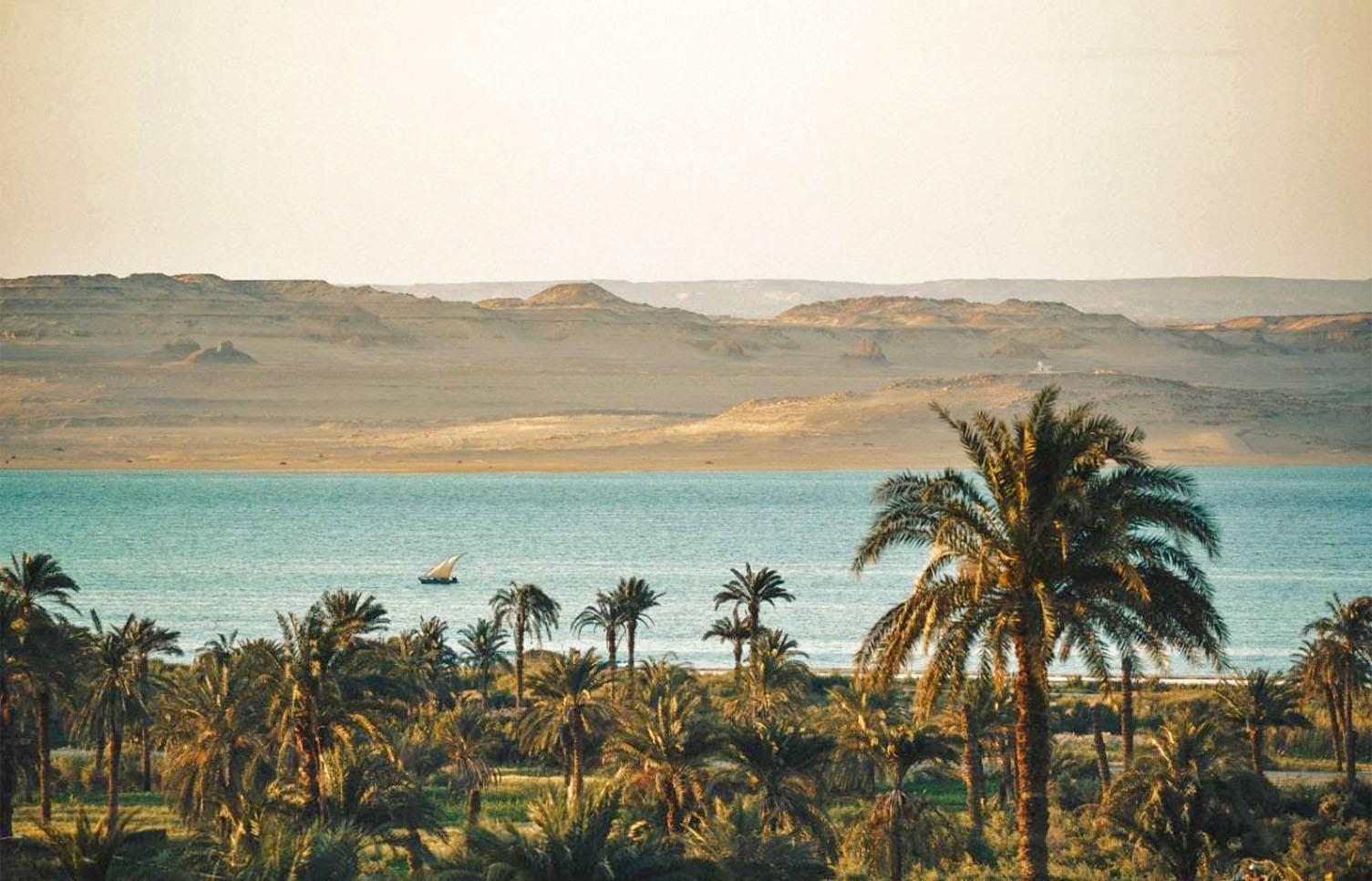
After exploring the busy streets of downtown Cairo filled with merchants calling or marvelling at the spectacular Pyramids of Giza, every visit to the Egyptian capital should include a day trip to Fayoum. A short two-hour drive away from ancient history, bazaars and museums lies a quiet, serene oasis filled with lakes, waterfalls and sand dunes. A breath of fresh air located around 100km southwest of Cairo lies Fayoum, considered to be one of Egypt’s oldest and largest natural oases where you can enjoy memorable activities such as sandboarding down the dunes and horse riding around lakes as well as creating your own masterpieces in one of the many pottery workshops available.
Fayoum has a rich history as a major agricultural centre during the Middle Kingdom (c. 2000-1700 BCE) where it was developed through large-scale irrigation projects overlooked by Pharaohs Senusret I and Senusret II transforming it from a semi-desert basin to a lush agricultural oasis. This was largely completed through the development of The Bahr Youssef Canal which has supported the growth of crops such as wheat, barley, rice and sugar cane for over 3000 years. These projects supported large-scale agriculture ensuring the growing population was able to be fed as well as stabilizing the kingdom. Artifacts and statues from this significant period of Fayoum’s development in irrigation and agriculture can be found in the Grand Egyptian Museum’s Middle Kingdom galleries including statues of Senusret I made of limestone as well as the sarcophagus of Senusret I.
Although Fayoum’s history stretches back to Pharaonic times, there were numerous periods that followed including the Greek (Ptolemaic) era which resulted in several Greek settlers inhabiting the region, around this time the famous Fayoum Mummy Portraits were created. These portraits were discovered in burial sites around Fayoum and are now displayed at the Grand Egyptian Museum. The Greek era was followed by the Roman rule which was then followed by the Islamic conquest leading to the development of mosques, markets and villages. Today, in the modern era, Fayoum is a mix of natural beauty, historic sites as well as arts and culture which makes it the perfect place to visit for those looking for a quick getaway from Cairo.
The Heartbeat of Egypt’s Oldest Oasis
Built around ancient water canals, Fayoum City Centre which is the capital of the Fayoum Governate boasts numerous waterwheels dating back to ancient Egyptian times that are powered by the flow of water within the canals located throughout the city, with The Bahr Youssef Canal being the largest connecting the Nile River to the Fayoum Oasis. Following a short stroll, another popular attraction to visit is The Hanging Mosque, also known as El-Masjid El-Moa’allaq which was built above street level during the Ottoman period and is the perfect place to visit to enjoy some peace away from the busy streets below, especially during prayer times where the atmosphere becomes calm and reflective. With its beautiful architecture, intricate wood ceiling and carved doors, it is the perfect spot for photography enthusiasts to take the picture-perfect shot during sunset. Qaitbay Mosque built in the 15th century is also a popular tourist attraction for visitors and it remains an active place of worship nestled between shops and local homes. For the history buffs, The Obelisk of Senusret I also known as the Abgig Obelisk built nearly 4,000 years ago is located within a small park in Fayoum City and it is also free to visit. It is a must see for those interested in Egypt’s Pharaonic past.
Desert Waterfalls and Tranquil Lakes
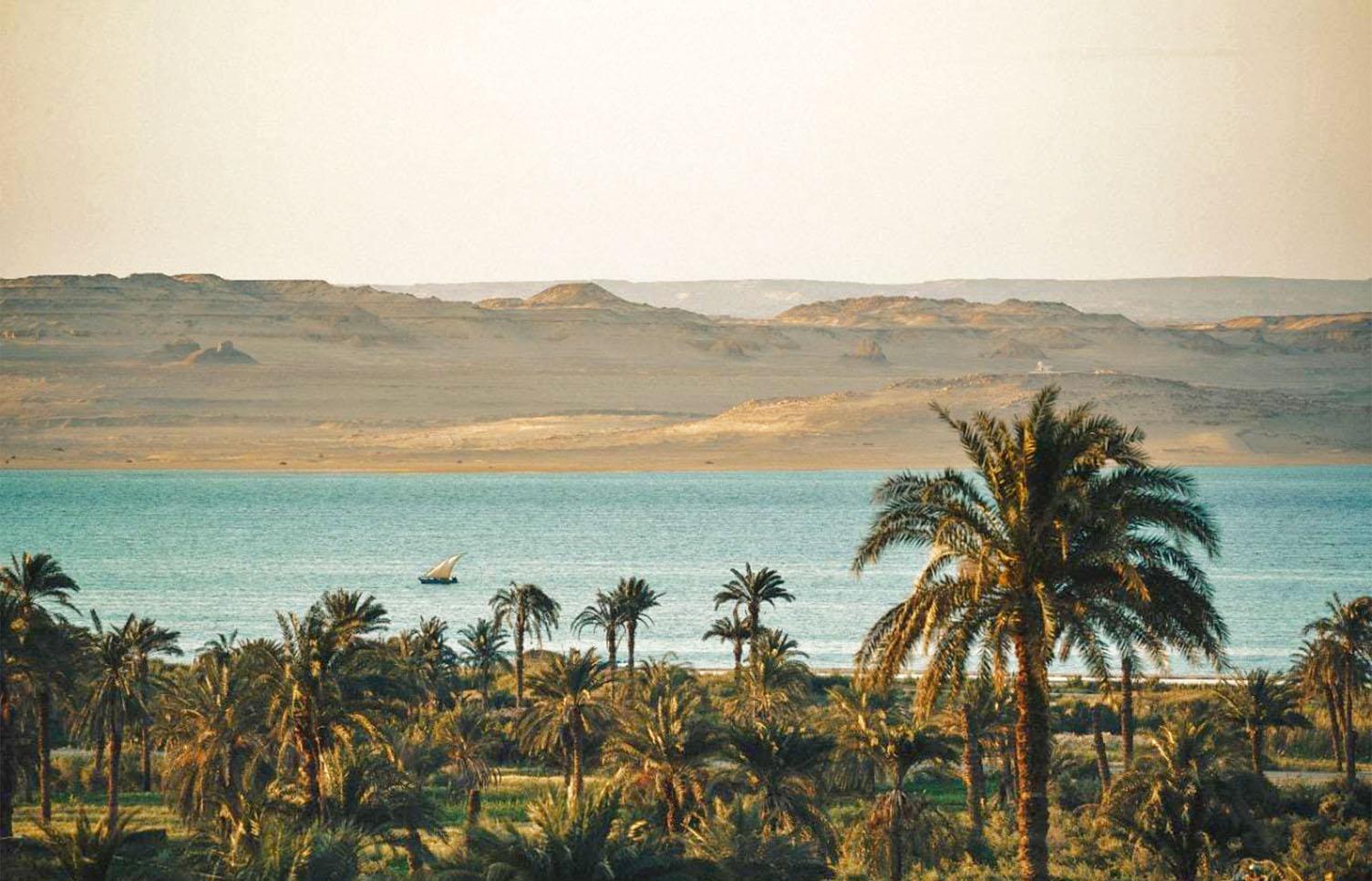
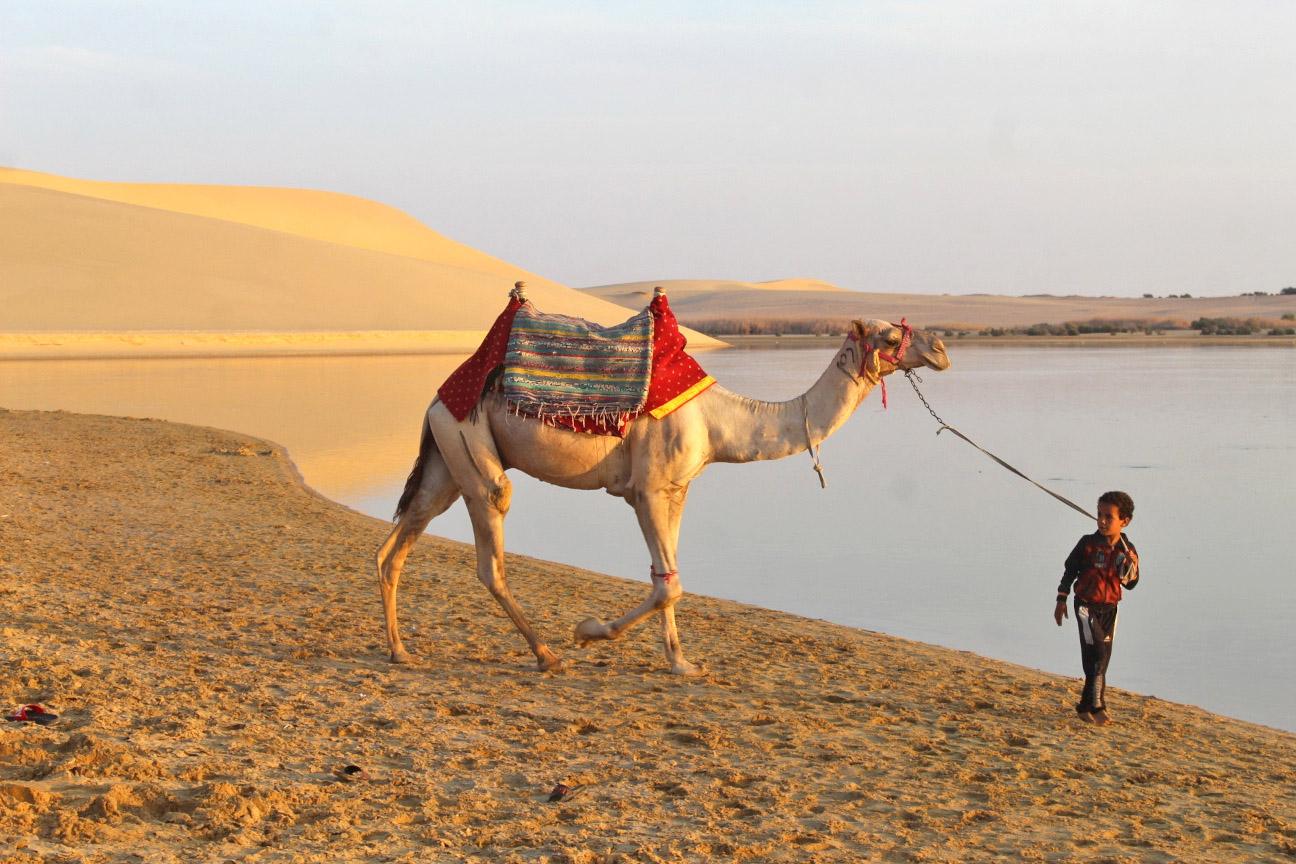
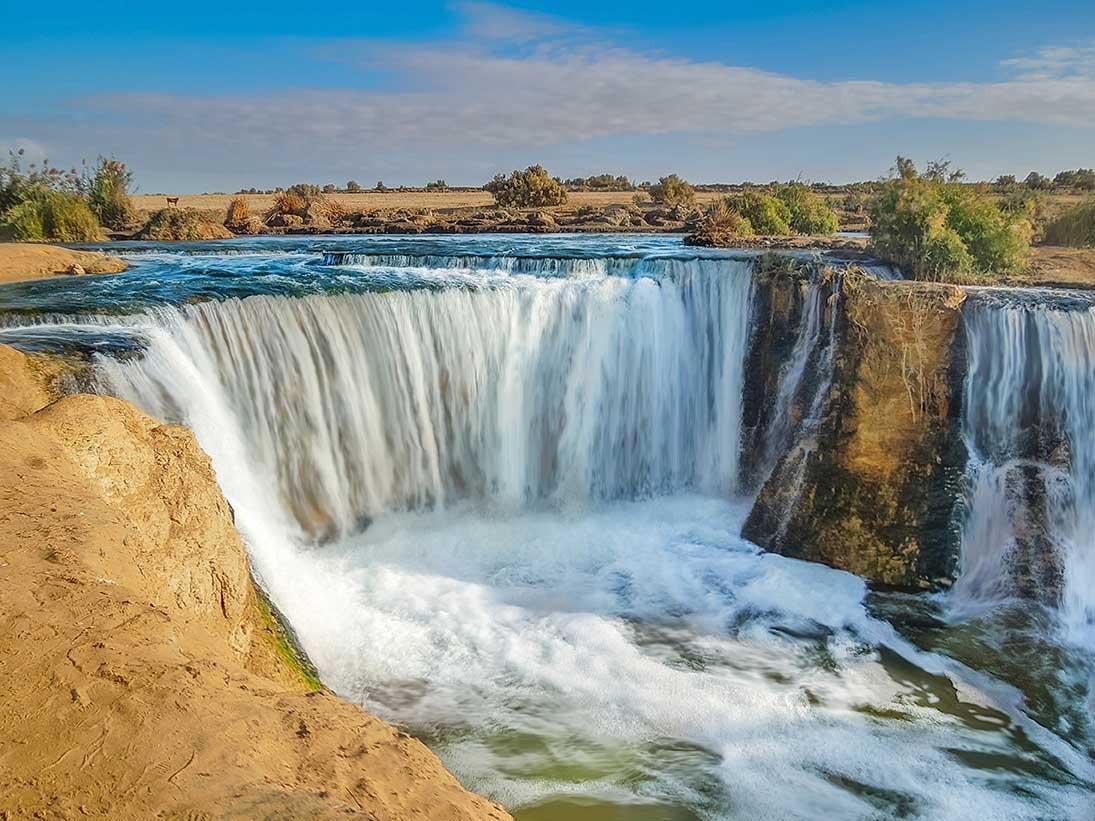
Wadi Al Rayan is a protected area covering 1759 square kilometres of open desert, a popular tourist destination which involves driving through a barren desert to reach a hub of waterfalls, vendors and activities such as camel riding. Wadi al Rayan is home to one of Egypt’s natural waterfalls, although man-made the waterfalls formed naturally overtime creating a peaceful landscape overlooking the beautiful Lake El Rayan, a stunning lake spanning 113km with waters that glisten under the sun. For the thrill seekers, you can enjoy an adrenaline-fuelled safari adventure driving up and down the sand dunes in a 4x4 vehicle followed by a chance to sandboard, ending the expedition with a trip to the Magic Lake with its gleaming waters that change colour depending on the sunlight reacting with the minerals found in the water. The avid bird enthusiasts can also spot species such as the Pharoah eagle-owl which is a species of owl native to the Middle East and North Africa, a nocturnal owl which uses its hearing and night vision to detect prey in total darkness. For travellers that prefer to relax, you can enjoy a camel or horse ride or a picnic located near the waterfalls as well as a browse around the various market stalls selling goods that make perfect souvenirs to commemorate your trip.
Step Back in Time Amongst Ancient Giants
Wadi Al Hitan is a UNESCO World Heritage site located around 35km from Wadi Al Rayan, containing fossilised remains of early whales that lived around 40-42 million years ago. Considered to be one of the world’s most important fossil sites demonstrating the evolution of whales from land animals to ocean dwellers, it is an excellent place to visit for those interested in palaeontology or environmental science. Here you can explore the outdoor museum of ancient whale fossils as well as the Fossil and Climate Change Museum, a museum designed to raise awareness of the effects of climate change on the planet. The museum includes interactive exhibits, viewing platforms and educational platforms and guided tours are also available. You can also enjoy other activities such as hiking, camping overnight and stargazing.
A Lakeside Haven for Art and Poetry
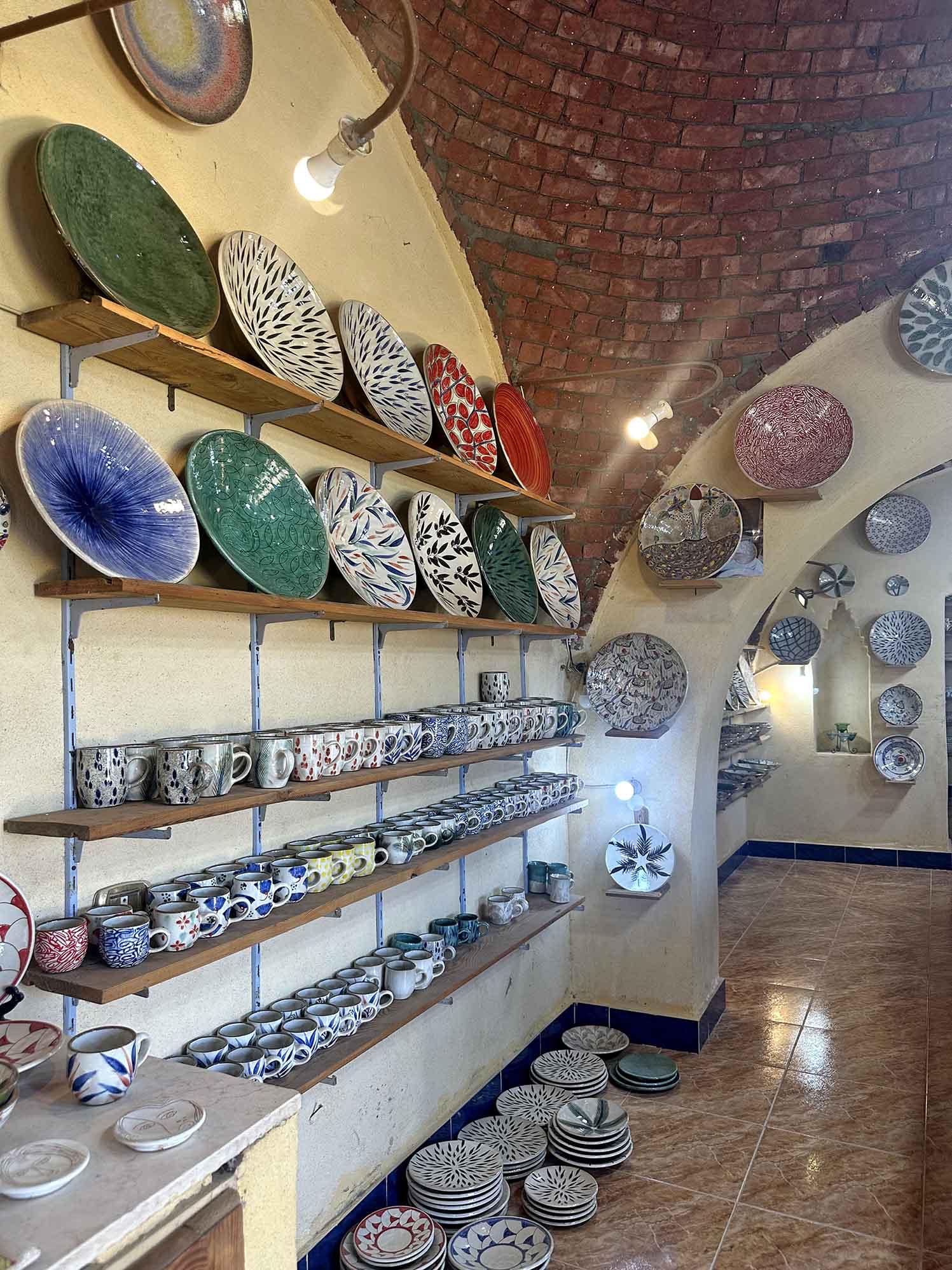
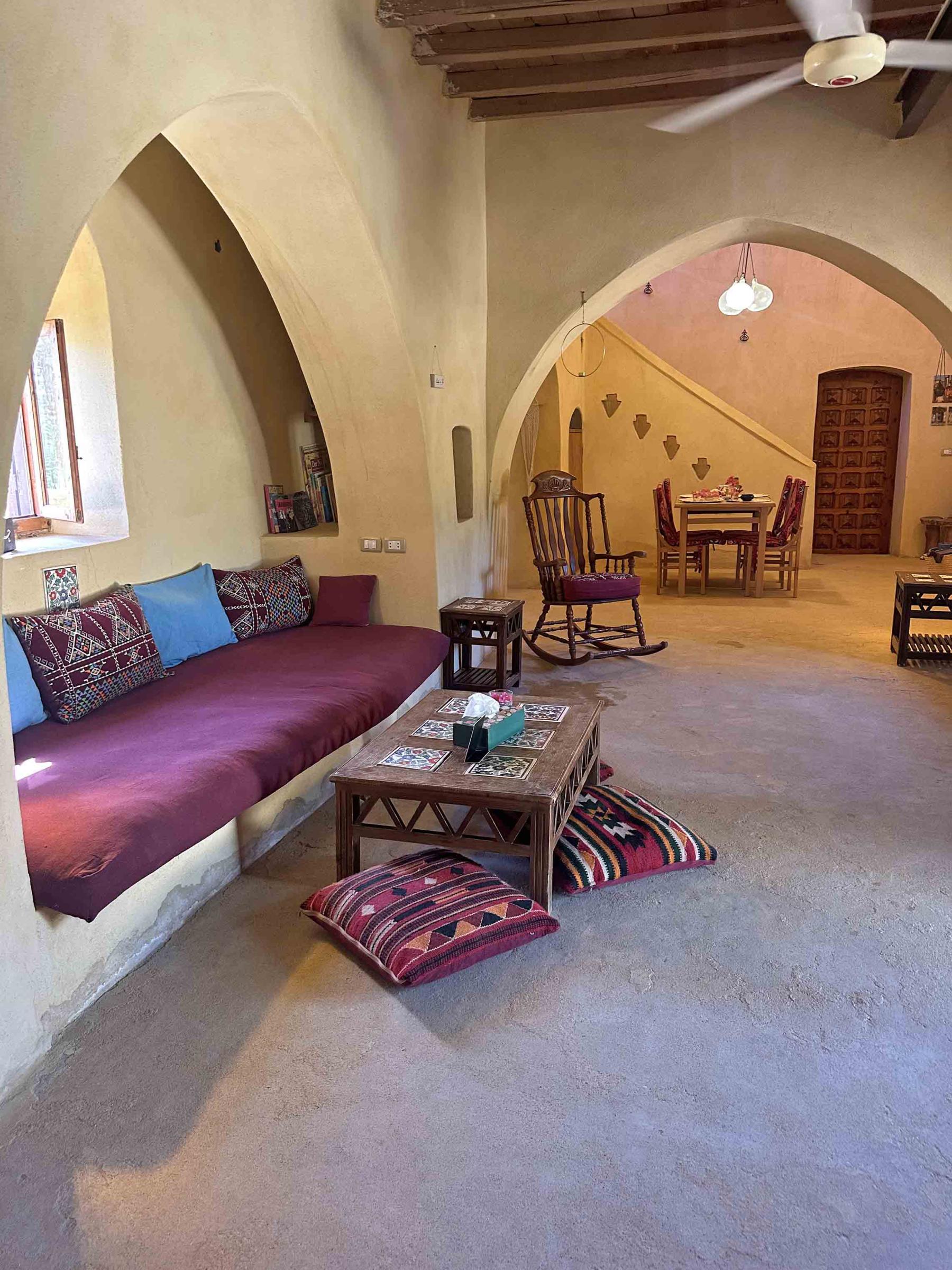
Located on Lake Qarun is a small village which is well known for its pottery, first introduced by Evelyne Porret, a Swiss potter who established a pottery school where locals are still learning the art of pottery to this day. The tranquil village exhibits stunning views of the lake and surrounding desert hills, home to several eco-lodges built in traditional mud-brick style and guesthouses which are perfect for a weekend getaway. Here you can enjoy meals from cookery schools to fine dining restaurants which promote sustainable rural tourism by using local produce in their meals. For those that enjoy the finer things in life, there is also a luxurious boutique hotel and spa located in the heart of the village which is a stone throw away from the restaurants and workshops where you can create your own item out of pottery or even purchase pottery items made by locals.
Whether you are a keen photographer, a crafts enthusiast or you just want a quiet getaway, Fayoum has it all. From lakes to sand dunes there is something for everyone to enjoy, perfect for solo travellers, couples and families alike. So next time you are in Cairo, do plan a day trip to Fayoum as part of your itinerary – it is truly unmissable!