
Written by: Sabah Awan
Date: 2026-06-24
Finding a Healthy Balance

Growing up, many of us were involved in playing with toys, including dollhouses and action figures, racing outside with friends, cycling, painting, or even engaging in sports such as football. A time when climbing trees and grazing our knees after a fall were the norm, and we learnt to discover the world through our inquisitive eyes, being left to our own devices and growing in confidence and independence. With technology being introduced to households, the idea of play has changed dramatically. The 1990s saw a rise in the use of computers, desktop-based technology that was restricted to a single room in the house; used to play games on the internet, send emails and search for information. During the 2000s, the development of handheld, portable devices, specifically the iPhone, which was revolutionised touchscreen smartphone when it was released in 2007, meant that technology was now more portable than ever and easy to carry around both inside and outside the home. The widespread adoption of smartphones also accelerated the growth of social media platforms such as Facebook, Instagram, Twitter (now X) and TikTok. Nowadays, we have become dependent on our smartphones to navigate our lives, from mobile banking apps, grocery delivery services and booking a taxi at the click of a button, simple everyday tasks that have been made even simpler in our hands.
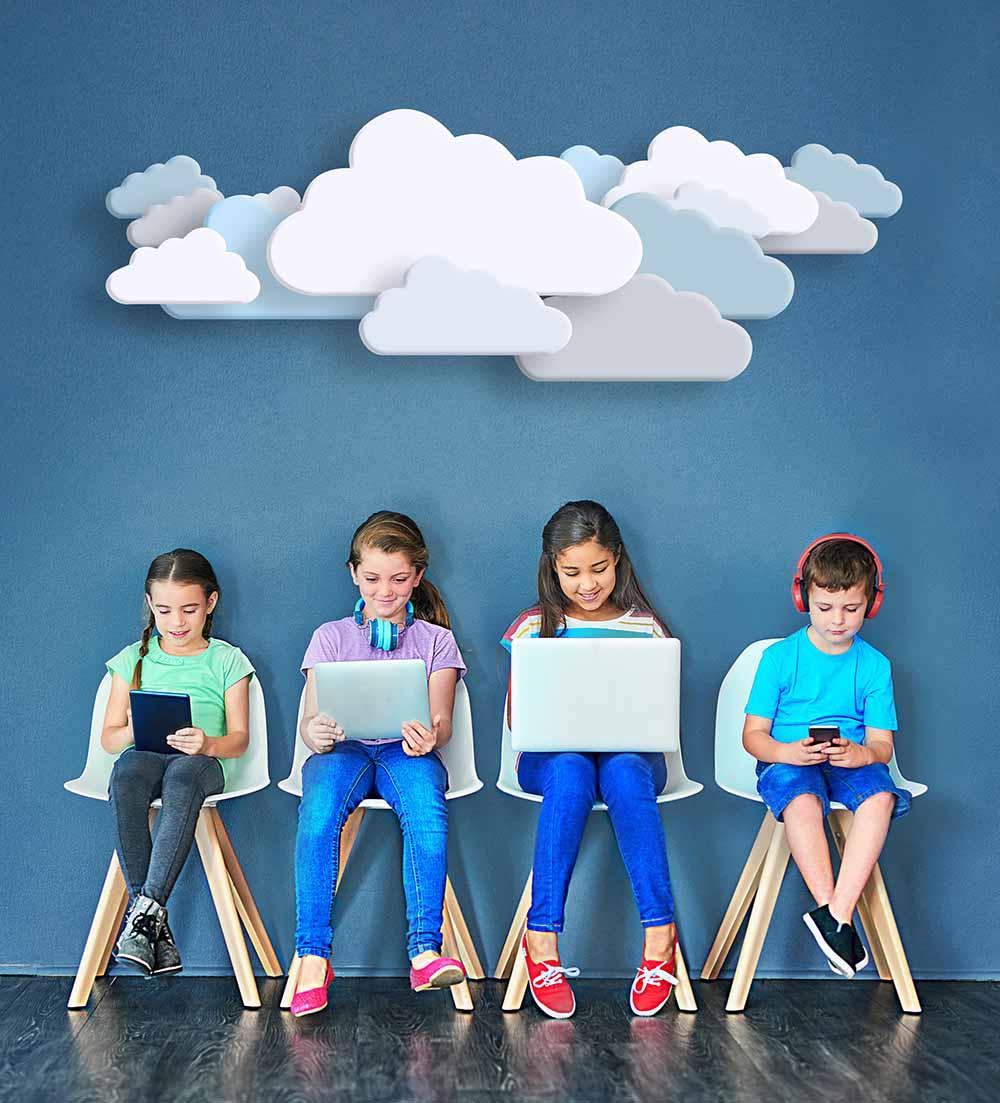
Modern developments in technology, including AI, are useful within many sectors, including healthcare, where they are being used to diagnose illness, treat patients and therefore help extend life expectancy. Virtual learning environments have also revolutionised the education system, especially during COVID-19, when schooling shifted online and has now led to a rise in online schools and tutoring academies. Although technology has many benefits, there are also negatives, including the collection of data based on our behaviours, movements, purchases and conversations being recorded and used to further fuel our reliance on technology. The age at which children begin using technology is decreasing significantly to the point where some children have become tech-savvy even before being able to communicate confidently. Busy parents use technology as a tool to entertain and soothe their children during times when they are caught up in their fast-paced lifestyles, which has led to an increase in younger children becoming overly reliant on technology. This rise in technology use among children has led to a decline in interpersonal skills, including struggling to communicate with their peers face-to-face, whereas video game addiction in teenagers has led to more sedentary lifestyles, which has an impact on their physical health.
Although the use of technology can be used for learning and developing skills in digital literacy, excessive screen time has resulted in a decrease in attention span in children, leading to a decrease in concentration, which can have a knock-on effect on children’s progress and learning. Research supported by the National Institutes of Health found associations between excessive screen time and attention, behavioural, and impulse-control difficulties in young children. Another report indicated that those who used screens before bedtime had poorer sleep, which influenced their ability to concentrate and thus affected their learning in school. Excessive screen time is also linked to an increase in mental health issues such as anxiety, depression and social isolation. According to research by the Italian Society of Paediatrics, a stark rise in the popularity of using screens has been observed following the COVID-19 pandemic, where research has shown that 14.5% of children aged between one and five in Italy own a mobile phone, compared to pre-pandemic times, when only 9.2% owned a mobile phone. Among those aged between six and ten years old, over 58% now own a mobile phone compared to pre-pandemic figures, which were roughly 23%. Despite this study being in Italy, it reflects how mobile phone use amongst children has changed in recent years. Although technology has its benefits, this change in usage has had an impact on the mental health and well-being of children.

Today’s children are growing up in an increasingly digital environment where the reliance on technology continues to grow. Although using technology for educational purposes can improve digital literacy, excessive screen time can lead to shorter attention spans and decreased concentration. Mindless scrolling on apps such as TikTok or YouTube Shorts can reduce opportunities for deep learning compared to more active or engaging activities. The rapid cycle of spikes and crashes in levels of dopamine may train children’s minds to constantly crave stimulation and thus further perpetuates the cycle of addiction. Long-term effects of these changes in dopamine levels can affect motivation and shorten attention span. Socially, children often have lower self-esteem and anxiety with increased social media use, as they tend to compare themselves to online influencers who have perfectly curated their lifestyle to look a certain way. Children may struggle to tell the difference between what is reality and content that has been fabricated. Children who spend excessive amounts of time on screens also tend to be less physically active and lead more sedentary lifestyles, which negatively affects their physical health and may lead to higher risks of obesity. Extensive use of laptops, tablets and mobile phones has also led to an increase in poor posture, eye strain and headaches in children. Children learn best through active social engagement, so overexposure to screens has shown a negative effect on early language development and bonding. However, these effects can be decreased if children are exposed to educational content as opposed to entertainment, and when parents co-view content with their children.

The first step to reducing children’s screen time is to set expectations with your children and ensure that there are set goals in place to reduce screen time. This can be facilitated by setting time limits, which are available on various devices and apps. It is important to be realistic about the goals you set so that they are attainable. For example, eliminating screentime immediately will understandably be difficult, but reducing the time spent using screens gradually can allow your child to become less dependent. As a parent, it is important to spend quality time with your child and give them your full attention through meaningful conversation. Establishing screen-free times during the day, such as at dinner, can encourage family members to put away their devices and engage with one another more fully. Alternative activities to tackle your child’s boredom include activities that take place outside the home, such as walking or playing outdoors. An increase in physical activity and time spent in nature is likely to improve your child’s mental and physical health and reduce the reliance on the use of screens.
With the constant emergence of new technology, our dependence on it shows no signs of slowing down. As a society, we need to find ways to reduce the use of screens, especially among children, so that they do not have long-lasting effects that can affect their mental and physical health. As parents, it is vital to monitor our children’s screentime and ensure that the content they are taking in is of an educational nature so as not to have a negative effect on their attention spans. By encouraging moderation, communication and meaningful offline experiences, we can ensure that technology remains a useful tool rather than a harmful dependency for future generations.