Date: 2026-09-13
ESLSCA Dean of Visual Arts and Creative Industries Chairs First Advisory Board Meeting, Featuring Leading Figures from the Arts and Media
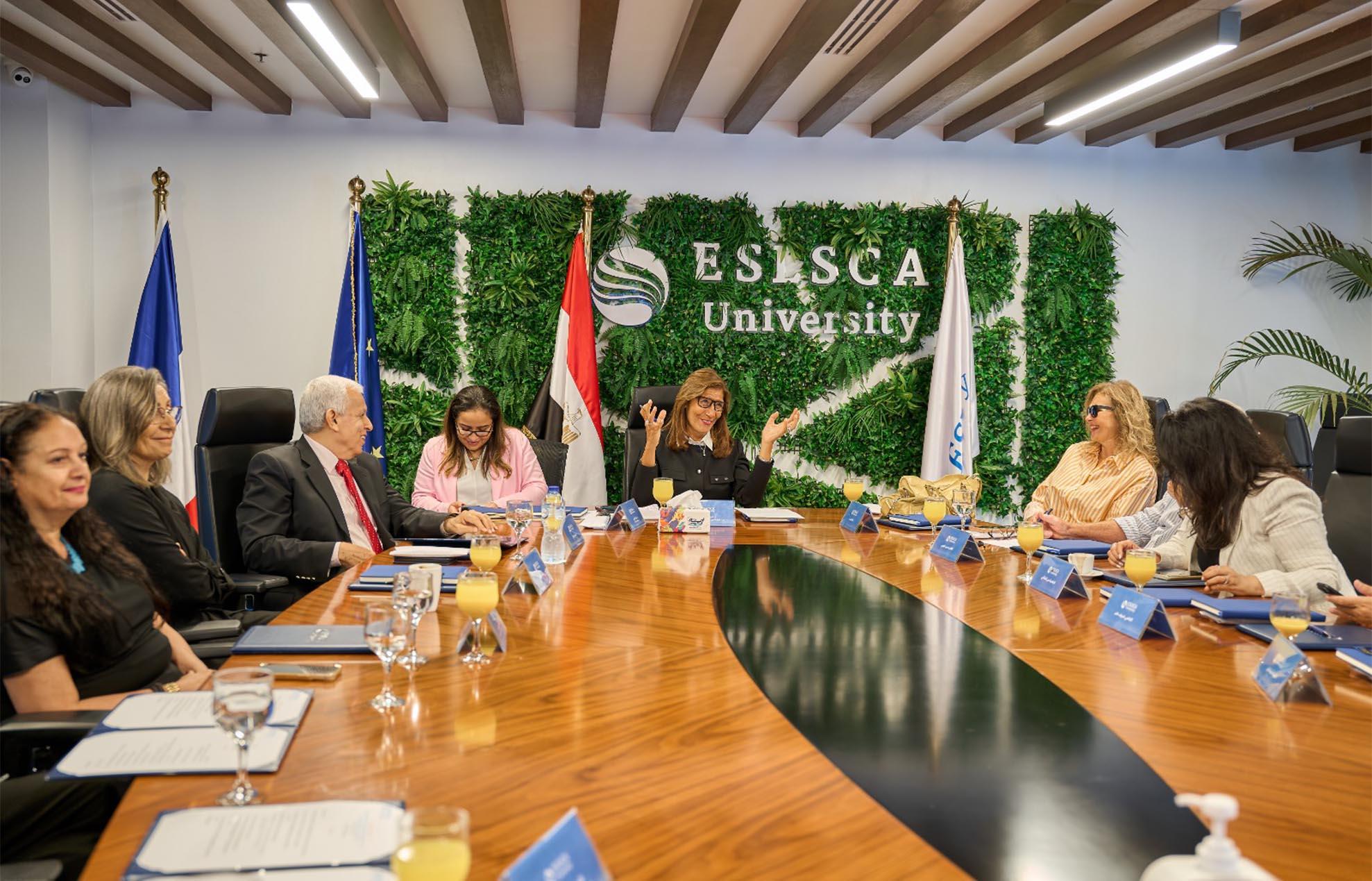
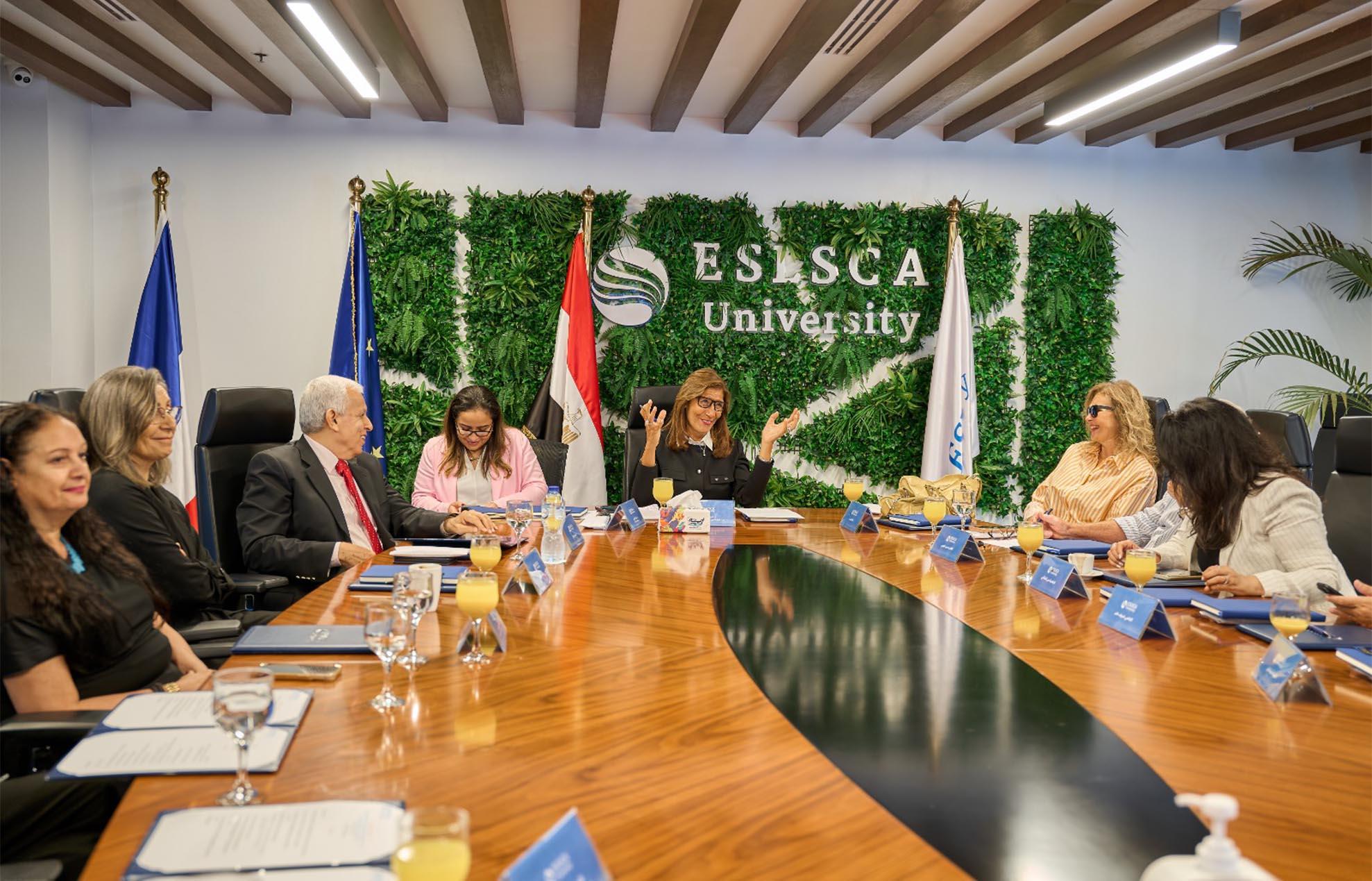
The Faculty of Visual Arts and Creative Industries at ESLSCA University Egypt has inaugurated its Advisory Board, chaired by Dr. Mervat Abou Ouf, Dean of the Faculty. The inaugural consultative meeting brought together a distinguished group of leading figures from the arts, media, culture and academia, marking an important step toward strengthening the connection between academic education and the creative industries.
The initiative aims to support the continued development of the Faculty’s programmes in line with the rapid transformation taking place across the film and media sectors.
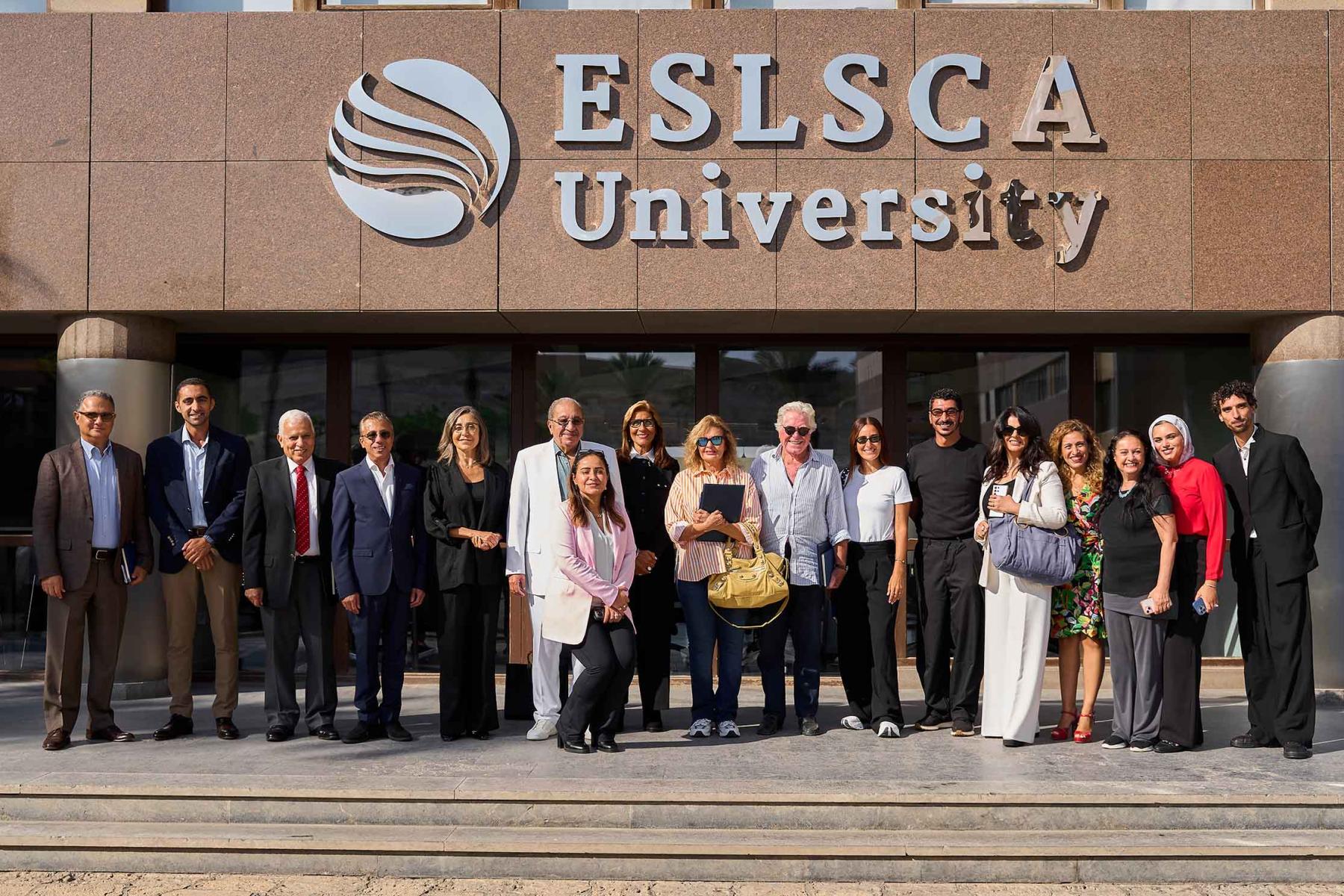
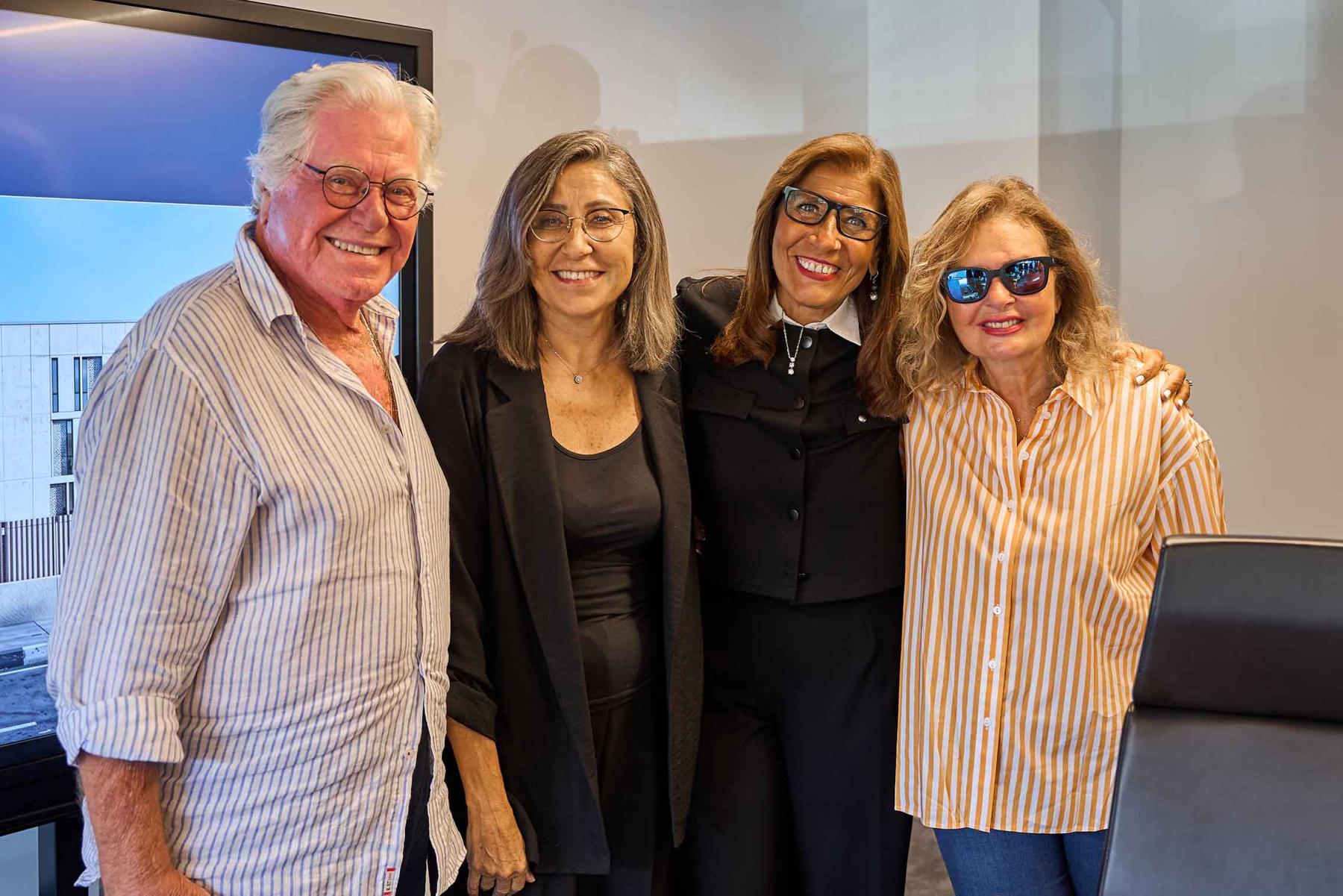
The first Advisory Board meeting was attended by Dr. Nevine El Kilany, former Minister of Culture; acclaimed actors Hussein Fahmy, Yousra and Amina Khalil; filmmaker Karim El Shenawy; Dr. Sami Tayie, Professor of Media at Cairo University and the University of Barcelona in Spain; and prominent media personalities Mona El Shazly, Rami Radwan and Sherif Amer.
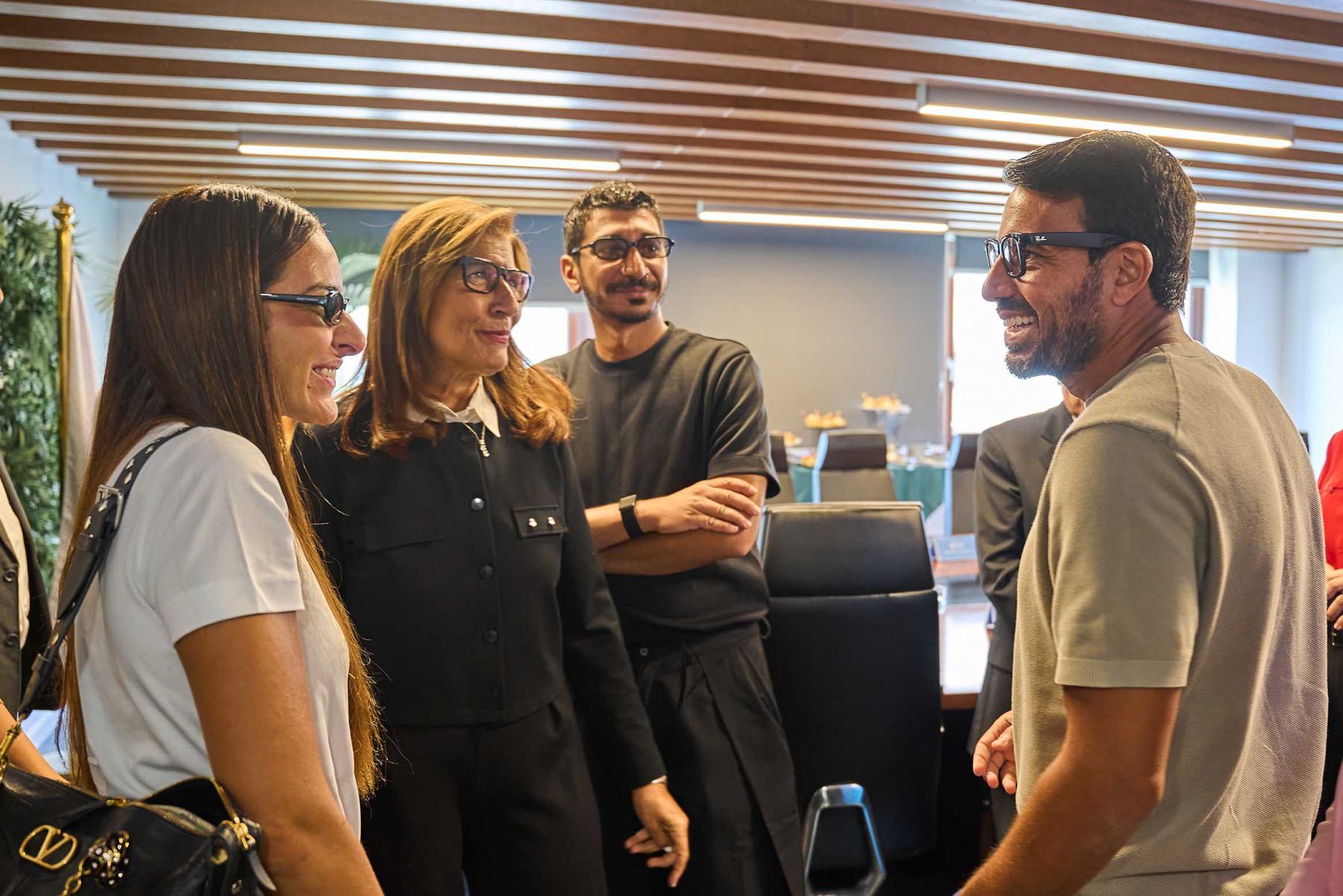
Dr. Ali El Meligy, Chairman of the Board of Trustees at ESLSCA University, opened the meeting by welcoming the Advisory Board members. He highlighted the importance of drawing on their artistic, media, academic and professional expertise to shape a forward-looking vision for the Faculty—one that responds to the global evolution of the creative industries.
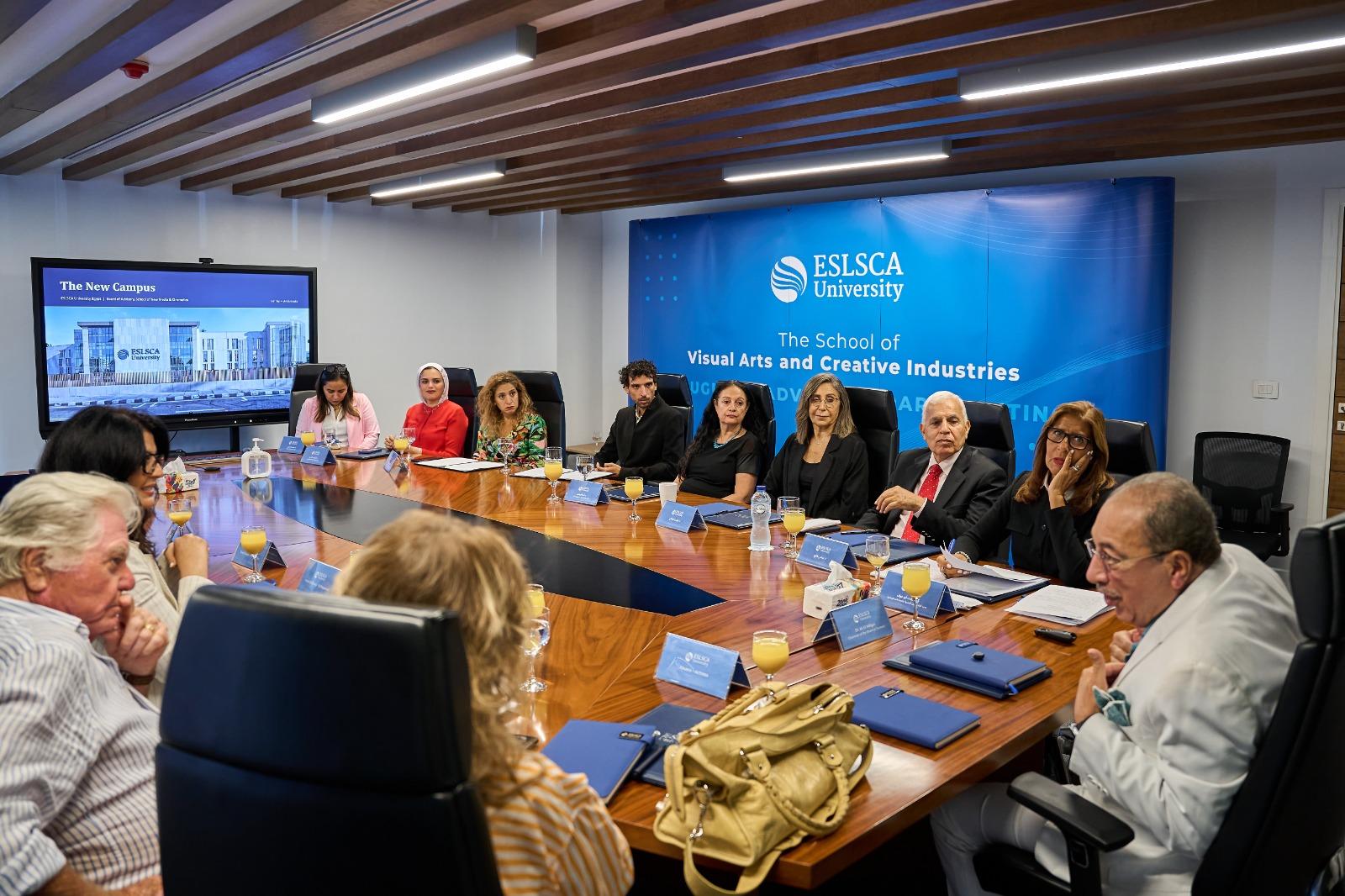
Dr. Abou Ouf noted that the Advisory Board serves as a bridge between academia and industry. It seeks to promote innovation, creativity, professional excellence and global engagement, contributing to the preparation of graduates equipped to lead the future of the creative industries in Egypt, the region and internationally.
She added that the Board’s role is strategic, advisory and forward-looking. It will focus on offering perspectives, expertise and recommendations that support the development of the Faculty and its academic programmes, rather than undertaking executive or operational responsibilities.
The Advisory Board members were welcomed by members of ESLSCA University’s leadership team, including Dr. Karim El Hennawy, Secretary General and Chief Executive Officer; Dr. Hassan El Meligy, Chief Operating Officer; and Dr. Adel Zayed, Vice President.
They were also received by members of the Faculty’s academic leadership, including Dr. Ahlam Younes, Head of the Film Studies Department; Reem El Meligy, Deputy Head of the Department; Dr. Wael Khairy, Director of the Master’s Programme in Filmmaking; and Dr. Amira Abdel Hamid, Head of the New Media and Communication Department.
Dr. Hassan El Meligy presented an overview of the University’s new campus, to which ESLSCA University is scheduled to relocate in 2027. The new campus will feature state-of-the-art academic and professional facilities and resources.
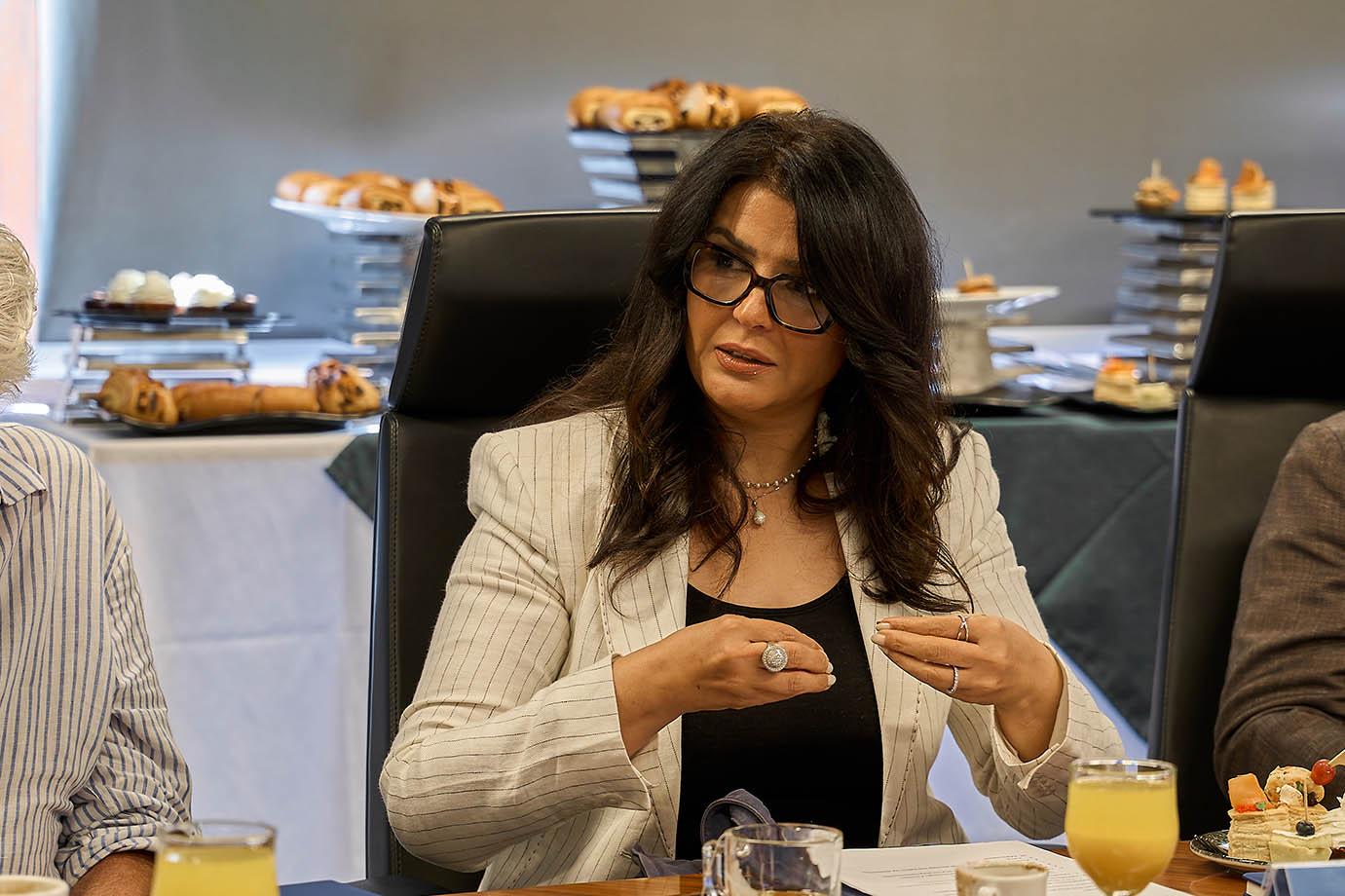
Representatives of the Faculty’s two academic departments delivered presentations on their respective programmes and introduced the proposed Master of Fine Arts (MFA) in Filmmaking, which is scheduled to launch in February.
Shaping the Future of Film and Media Education
The meeting featured extensive discussion on the future of film and media education, with participants exploring ways to integrate academic knowledge with professional skills and develop specialisations that align with labour-market needs and the ongoing transformation of the creative industries.
Yousra stressed the importance of placing greater emphasis on intellectual-property rights and professional ethics in film and media education. She described both areas as essential foundations for building a sustainable creative industry that protects the rights of creators and rights holders.
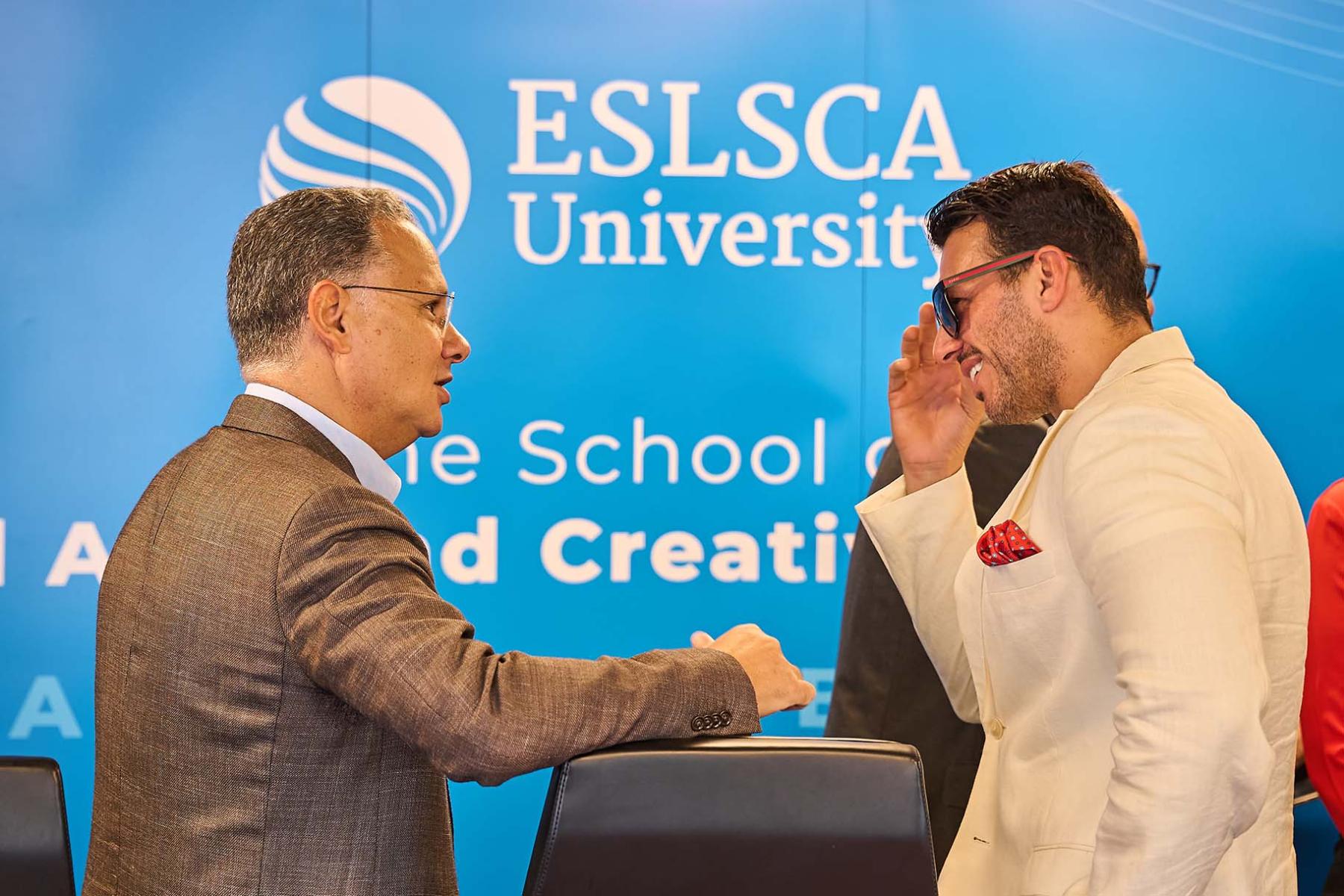
Hussein Fahmy reflected on the changes experienced by the film industry and underscored the importance of helping students understand the differences between traditional and contemporary film-production systems. He noted that successful producers should combine artistic and managerial knowledge with an authentic creative vision for their work.
Amina Khalil called for greater specialisation within the learning process, including the introduction of a dedicated academic pathway in acting that would enable students to study performance arts professionally. Karim El Shenawy emphasized that film-studies programmes should encompass the full range of artistic and technical disciplines involved in filmmaking, including sound.
In the media field, Mona El Shazly highlighted the need to strengthen students’ awareness of copyright and intellectual-property rights, alongside their understanding of the differences between media production and film production. Sherif Amer stressed the importance of teaching media production as an integrated concept that goes beyond editorial skills to include a comprehensive understanding of the full content-production cycle.
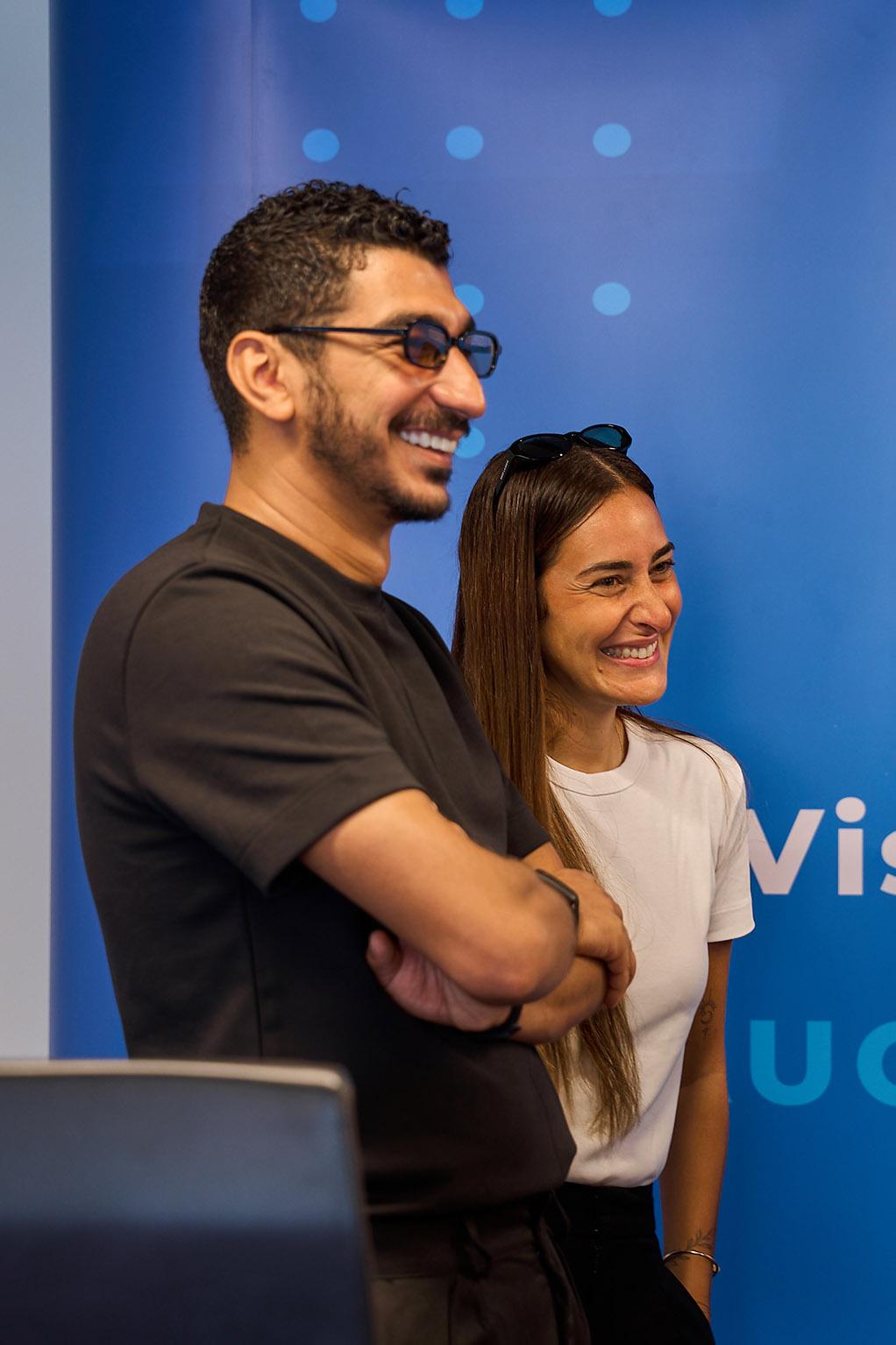
Dr. Nevine El Kilany welcomed the perspectives shared by Advisory Board members, noting that the diversity of expertise across the arts, media and academia will contribute to creating an integrated vision for the future development of the Faculty and its programmes.
The proposed MFA in Filmmaking also received strong interest from Board members, who highlighted the value of a specialised academic programme that combines theoretical knowledge with practical application across all stages of filmmaking.
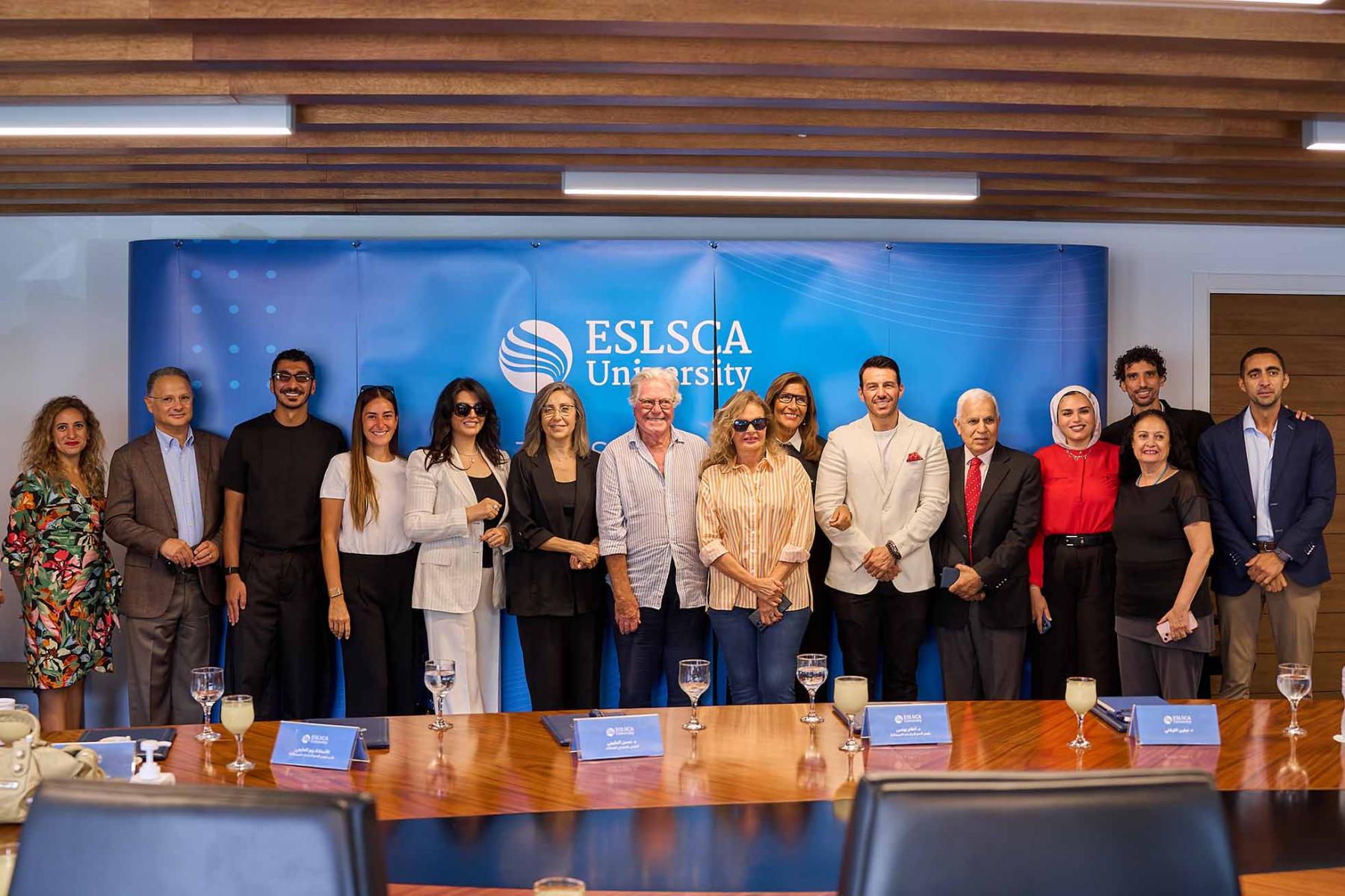
The meeting concluded with an announcement by Dr. Sami Tayie of his contribution, as an Advisory Board member and in support of international opportunities, of three scholarships for ESLSCA University Faculty graduates to study media in Spain. The scholarships will provide three graduates with the opportunity to gain new academic and international experience.
The launch of the Advisory Board forms part of the Faculty of Visual Arts and Creative Industries’ wider commitment to expanding its partnerships with the arts, media and creative-industry sectors. Through this engagement with leading professional and academic expertise, the Faculty aims to further develop its programmes and prepare new generations of graduates to compete in a rapidly changing creative marketplace, both locally and internationally.